 0
0Koobee
Pepsi P1
Announced
November 2015
Weight
158 grams
Features
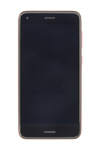
The Pepsi P1 smartphone was manufactured by Koobee (also known as the Shenzhen Koobee Communication Equipment Co., Ltd), as part of a brand-licensing deal with PepsiCo.
The Pepsi P1 and its counterpart, the P1S, were positioned as value-for-money, mid-range smartphones.
They had respectable specifications for smartphones of the time, sporting a 5.5-inch 1080p 2.5D curved glass display, powered by a 1.7 GHz octa-core MediaTek processor. Other notable features included a 13-megapixel rear camera with LED flash, a 5-megapixel front camera, and a fingerprint sensor on the back. The standard P1 model supported 4G LTE, while the P1S was a variant specifically for China Unicom's FDD-LTE network.
The devices were designed to compete on value, not premium features, which aligned perfectly with a strategy of targeting the vast and competitive Chinese smartphone market with a new, attention-grabbing entry.
Although the Pepsi logo is engraved on the back of the device, the phone's primary branding element was in its software. It ran on Dido OS 6.1, a fork of Android 5.1 (Lollipop), which was customised with a Pepsi-themed wallpaper and some Pepsi-related elements in the user interface on the device.
The launch of the Pepsi P1 in the Chinese market was a deliberate decision. With over 500 million active smartphone users, China presented a large and digitally savvy target market. At the time, PepsiCo stated that its goal was to "engage with a local mobile audience" and believed that by selling a physical handset, it would increase brand awareness among Chinese users.
The phone was offered through a crowdfunding campaign in partnership with online retailer JD.com. When the campaign launched in the fourth quarter of 2015, it aimed to sell 4,000 units and raise a total of 3 million yuan, which was approximately $470,000 USD at that time.
There was a strong start to the campaign, with reports indicating that over 580,000 yuan was raised in the first 24 hours. This was driven by attractive early-bird offers with the first 1000 units offered at 499 yuan (approximately $78 USD) and the next 1000 at 699 yuan (roughly $110 USD). These quickly sold out.
Despite a strong start, the campaign fell short of its initial goal, ultimately selling only 43% of its 3 million yuan target before concluding on 3 December 2015. This would indicate that approximately 1700 phones were sold; however, further devices could have been sold outside the crowdfunding campaign.
The phone received a mixed response when it was launched, which was unsurprising given it was a relatively unremarkable Android smartphone.
Images of the Pepsi P1 smartphone used as part of the crowdfunding campaign: